
Views: 0 Author: Site Editor Publish Time: 2026-03-02 Origin: Site


The Ultimate Guide to Premium Vodka Glass Bottles: Design, Quality, and Sourcing
When it comes to premium vodka packaging, the choice of glass bottle is far more than a simple container decision—it's a critical component of brand identity and product perception. Vodka, with its crystal-clear appearance and refined character, demands packaging that reflects these qualities. This comprehensive guide explores everything you need to know about sourcing premium vodka glass bottles, from material selection to design trends, helping spirits brands make informed decisions for their product line.

Understanding Vodka Glass Bottle Requirements
Vodka is unique among spirits in that its signature characteristic is absolute clarity. Unlike whiskey or bourbon, which benefit from aging in wooden barrels, vodka's purity is visually represented by its transparent appearance. This makes the quality of the glass bottle paramount in communicating product excellence to consumers.
Super flint glass, also known as crystal glass, offers the highest level of transparency available in the industry. With a light transmission rate exceeding 90%, super flint glass allows the vodka's natural clarity to shine through, creating an immediate visual connection with quality. Many premium vodka brands specifically require super flint glass to differentiate their products on crowded retail shelves.
The vodka industry has established several standard bottle sizes that manufacturers should be familiar with:
750ml: The most common standard size for premium vodka, ideal for retail and gifting
1L: Growing in popularity for value-conscious consumers while maintaining premium positioning
500ml: Perfect for individual servings and travel retail
1.75L: The "handle" size, popular in markets where sharing and value are priorities
50ml and 100ml: Miniature sizes for sampling, duty-free, and promotional use
Understanding these standard sizes helps brands choose configurations that align with their target market and distribution strategy.

While plastic and metal containers exist in the spirits market, glass remains the premium choice for several compelling reasons:
Chemical Inertness: Glass is completely non-reactive, ensuring that the vodka's flavor profile remains pure and uncontaminated by packaging materials.
Temperature Stability: Glass handles temperature fluctuations better than plastic, maintaining product quality across various storage conditions.
Aesthetic Premium: Glass conveys luxury and sophistication that plastic simply cannot replicate. The weight, clarity, and tactile experience of glass elevate the perceived value of the product.
Sustainability: Glass is 100% recyclable and can be recycled infinitely without loss of quality or purity, aligning with growing consumer demand for sustainable packaging solutions.
Not all glass is created equal. The industry uses several grades to classify glass quality:
Super Flint (Crystal): The highest quality, with exceptional clarity and brilliance. Ideal for premium and ultra-premium vodka brands.
Extra Flint: Very high clarity with subtle color variations. Suitable for mid-premium products.

Standard Flint: Good clarity with subtle green or blue undertones. Cost-effective for mainstream products where premium appearance is still important.
While traditional vodka packaging favors clear glass to showcase purity and clarity, modern spray coating technology enables virtually unlimited color possibilities. Unlike the amber and cobalt blue colors commonly associated with beer bottles, spirits bottles can be customized through professional glass coating to achieve:
Opaque Finishes: Solid colors that completely hide the contents, perfect for creating bold brand statements or concealing less visually appealing liquid colors.
Transparent Colors: See-through tints that allow product visibility while adding subtle brand-aligned color tones. These maintain the connection between consumer and product while providing differentiation.
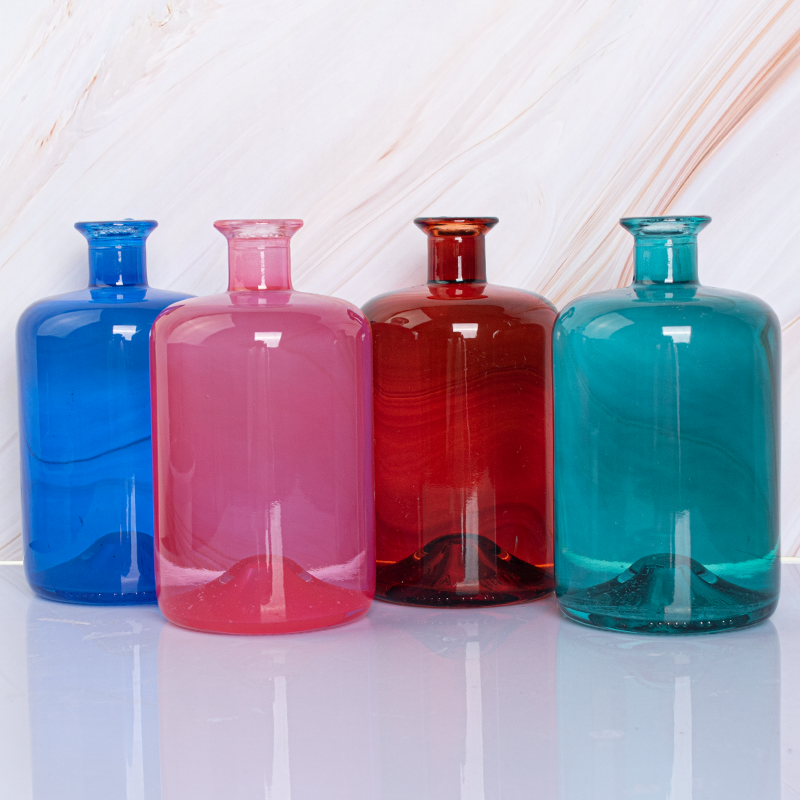
Semi-Transparent Finishes: A balanced approach that offers both brand color expression and partial product visibility, creating intrigue and visual interest.
Matte Finishes: Non-reflective, sophisticated surfaces that convey elegance and premium positioning. Matte coatings are particularly popular for ultra-premium vodka brands.
Glossy Finishes: High-shine surfaces that catch light beautifully and create vibrant, eye-catching presentations. Glossy coatings enhance brand visibility on retail shelves.
Two-Tone Effects: Innovative techniques combining different finishes on a single bottle, such as glossy body with matte accents, creating unique visual signatures.
This coating technology allows brands to achieve distinctive color appearances while maintaining the premium positioning that clear glass traditionally provides.

Vodka bottle design has evolved significantly in recent years, with brands seeking unique silhouettes that stand out while maintaining elegance:
Classic Roman: The traditional tall, slender bottle with elegant proportions remains popular for brands emphasizing heritage and timelessness.
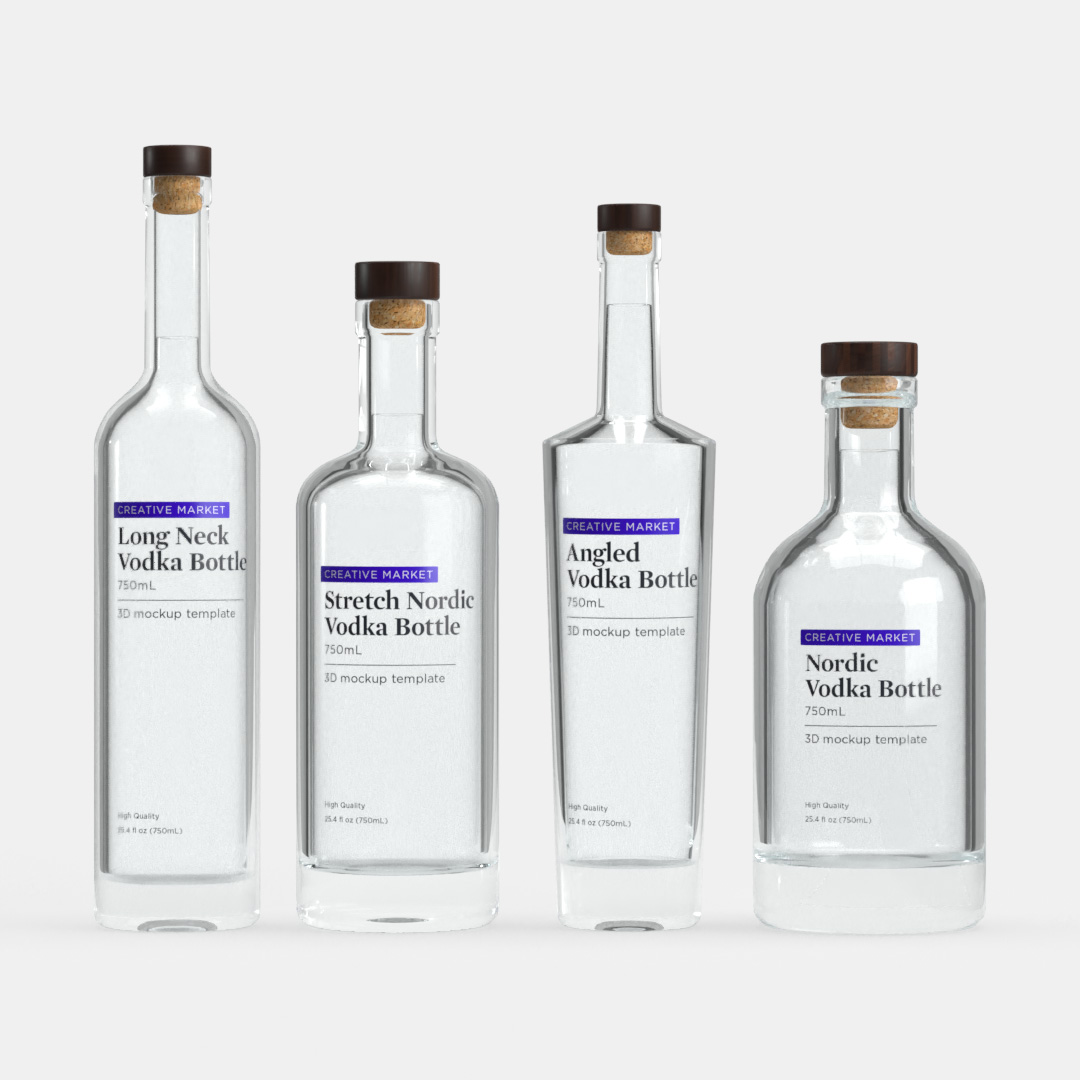
Modern Minimalist: Clean lines, geometric shapes, and minimalist design appeal to contemporary consumers who value understated sophistication.
Vintage Revival: Retro-inspired shapes with modern manufacturing techniques attract consumers seeking nostalgia and authenticity.
Artistic and Sculptural: Some brands commission unique, artistically-designed bottles that become collectible items beyond their functional purpose.
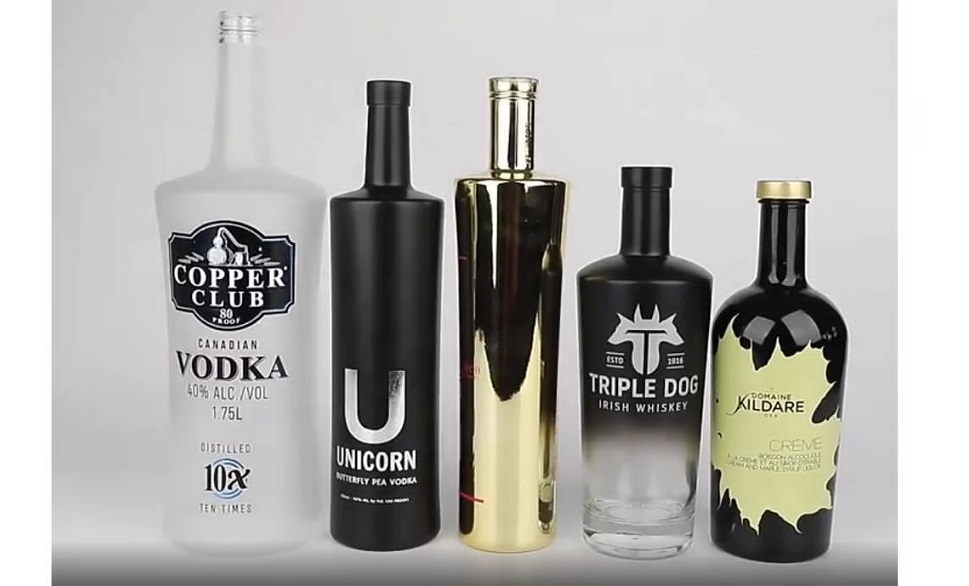
The label is where brand identity comes to life on the shelf. Several decoration techniques can elevate vodka bottle presentation:
Embossing: Raised textures and patterns create a tactile experience and premium feel.
Frosting: Matte finishes provide an elegant, sophisticated look while obscuring fingerprints.

Metallic Foil: Gold, silver, and holographic foils add glamour and visual impact.

Screen Printing: Allows for intricate designs and vibrant colors directly on the glass surface.
Etching: Permanent, premium-looking designs carved into the glass itself.
The closure is both functional and aesthetic, contributing significantly to the overall package:
Natural cork remains the premium choice, particularly for ultra-premium vodkas. Cork conveys tradition, craftsmanship, and authenticity. However, quality consistency and sustainability concerns have led some brands to explore alternatives.

Polymer corks offer consistent quality, no TCA contamination risk, and good sealing properties. Modernsynthetic corks can closely mimic the appearance of natural cork while offering improved performance.

The most practical option for mainstream and value segments. Aluminum caps provide excellent sealing, are lightweight, and are fully recyclable. Many premium brands use aluminum caps with custom branding and premium finishes.

Popular for craft and artisanal vodkas, swing tops offer a distinctive vintage appeal and are reusable, aligning with sustainability values.
When sourcing vodka bottles, quality control is essential. Key quality parameters include:
Dimensional Accuracy: Ensuring perfect cap fit and secure sealing
Glass Thickness: Consistency ensures proper weight perception and durability
Surface Quality: No bubbles, scratches, or imperfections
Color Consistency: Uniform glass color across entire order
Thermal Resistance: Proper annealing ensures durability during storage and transport
Professional manufacturers implement comprehensive inspection protocols:
Raw Material Inspection: Verification of glass composition and quality
In-Process Monitoring: Regular checks during manufacturing
Final Inspection: Statistical sampling or 100% inspection based on quality requirements
Third-Party Inspection: For critical orders, independent inspection services provide additional verification

China has become a leading global supplier of glass packaging for several compelling reasons:
Manufacturing Scale: Chinese factories offer production capacities that can meet large-scale requirements efficiently.
Cost Efficiency: Competitive pricing due to economies of scale and established supply chains.
Technical Capabilities: Many Chinese manufacturers now produce world-class quality, including super flint glass.
Customization Flexibility: Ability to create unique bottle shapes and sizes for custom orders.
Turnkey Solutions: Many suppliers offer comprehensive services including caps, labels, and complete packaging solutions.
Successfully sourcing from China requires attention to several key factors:
Communication: Clear, detailed specifications are essential. Provide comprehensive technical drawings and samples.
Quality Agreements: Establish clear quality standards and inspection criteria before production.
Sample Approval: Always approve samples before bulk production begins.
Shipping and Logistics: Understand Incoterms, lead times, and customs requirements.
Relationship Building: Long-term relationships with suppliers often yield better pricing and service.
When evaluating vodka bottle costs, consider the full picture:
Unit Price: Per-bottle manufacturing cost
Tooling Costs: Molds and custom tooling (one-time investment)
Minimum Order Quantities: Required production runs
Shipping Costs: Freight from manufacturer to your location
Duty and Import Fees: Applicable tariffs and customs costs
Quality-Related Costs: Rework, returns, or brand damage from quality issues
Working with experienced suppliers can reveal cost optimization opportunities:
Standardizing bottle shapes across product lines reduces tooling costs and simplifies inventory management.
Optimizing packaging for shipping efficiency
Strategic timing of orders to avoid peak season premiums
Bulk ordering to reduce per-unit costs
Modern consumers increasingly prioritize sustainability, making eco-friendly packaging a market differentiator:
Recycled Glass: Using cullet (recycled glass) in production reduces energy consumption by up to 30%.
Lightweighting: Thinner glass walls reduce material usage and transportation emissions.
Recyclable Materials: Ensure all packaging components are recyclable or made from recycled materials.
Carbon Footprint: Some suppliers now offer carbon-neutral shipping options.
Ensure your supplier meets relevant standards:
ISO 9001 (Quality Management)
ISO 14001 (Environmental Management)
FDA compliance for food contact materials
REACH compliance for European markets
Choosing the right vodka glass bottle is a multifaceted decision that impacts product quality, brand perception, and commercial success. By understanding the options available—from material selection to design trends to quality considerations—spirits brands can make informed choices that align with their market position and growth objectives.
At RS Glass Pack, we specialize in providing premium glass packaging solutions for the spirits industry. With extensive experience serving global vodka brands, we offer:
Extensive selection of stock and custom bottle designs
Super flint glass options for premium positioning
Comprehensive quality control with 24/7 online QC monitoring
Complete packaging solutions including closures and gift boxes
Competitive pricing and reliable global shipping
Contact us today to discuss your vodka packaging requirements. Our team of experts is ready to help you find the perfect glass bottles to elevate your brand.
Ready to source your premium vodka bottles?
Visit: www.rsglasspack.com
Email: rsglasspack@gmail.com
WhatsApp: +86 15086937796
Phone: +86 15223587807
Our professional team will provide personalized consultation and competitive quotes tailored to your specific needs.
